Château Musar


flagBekaa Valley, Lebanon

History and Terroir

Château Musar is often introduced through its most dramatic headline. Lebanon, resilience, civil war—but the deeper fascination lies elsewhere: Musar behaves less like a “new world curiosity” and more like a classical fine-wine estate that releases its wines matured, with vintage variation treated as a feature, not a flaw. Founded in 1930 by Gaston Hochar, Musar sits in Ghazir in the Mount Lebanon hills, while its grapes come from the high Bekaa Valley, a deliberate geographical separation that has become part of the house identity. Musar’s key vineyards lie near villages such as Aana and Kefraya, on gravelly soils over limestone, at around 1,000 m altitude, where bright days and cold nights preserve acidity and aromatic lift even in Mediterranean latitude. The estate’s own materials emphasise how this altitude creates an almost “alpine” growing environment one reason Musar can pursue non-interventionist viticulture and keep fruit naturally healthy. Musar is two vineyards, not one Collectors often speak about Musar Red as a singular “style”, but it’s better understood as a meeting point of sites and varieties. Cabernet Sauvignon, Cinsault and Carignan, an intentionally untrendy trio that makes sense in the Bekaa: Cabernet contributes structure and cassis depth; Cinsault supplies fragrance and charm; Carignan brings grit, savour and longevity. Then there is the white, arguably Musar’s most under-discussed treasure, made from the ancient native grapes Obaideh and Merwah, grown at even higher elevations on cooler mountain slopes. These wines routinely age in a way that wrong-foots drinkers expecting “exotic whites”, behaving instead like serious, slow-evolving fine wine.

Farming and Winemaking

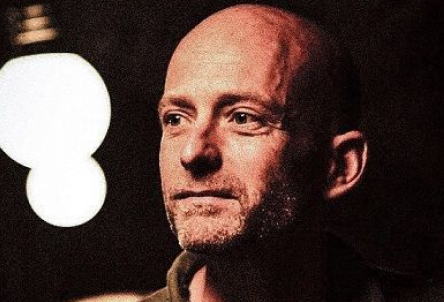
Musar’s most distinctive practice is its delayed release. The red is fermented separately (historically in cement), then matured in French oak (with only a small proportion of new barrels), blended only after time has clarified the vintage, and bottled before further ageing, so it is typically released in its seventh year. This is why the wines have a much-loved degree of seriousness around them. That patience also explains Musar’s signature paradox: the wines can feel wild and classical at once, savoury, autumnal, sometimes feral in youth, yet capable of extraordinary poise with air and time. One of the most interesting, less-told chapters is how early Musar trevelled to europe, in the early 1970s, and that Musar has since built a true cult following, charming drinkers precisely because it refuses to taste anything else a part as Musar. That positioning matters: Musar isn’t just “Lebanon’s a global fine-wine staple with a decades-long track record in serious European cellars. The producer Insight According to Marc Hochar, the current head of the estate Musar goes through three seasons. The three seasons of Ch. Musar: Spring is when the wines are 7 to 12 years old, and most of the aromatic profile is fresh fruit, like in Spring. Summer is when the wines are starting to show stewed fruit components, as if the summer heat has baked the fresh fruit from the tree. Usually when the wines are 12 to 18/20 years old. Autumn Season is from 20 years onwards. The cooked fruit disintegrates, slips into the floor and you start to get all the tertiary aromatics in our wines and taste earth (herbs, mushrooms, forest floor, animal etc). This last season extends for several decades, where you still have fresh fruit, as well as stewed fruit and also earth, the most beautiful season at Musar Every vintage is different. Musar is famously a ⅓ each of Cabernet Sauvignon, Carigan and Cinsault, each year one varietal shows itself better than the others and the characteristics of that vintage become tweaked towards that varietal. As a result, there are dominant years. Every year is different, no bad vintages, just different vintages. As for the whites? They behave like the reds: age like reds, evolve in the glass like reds, are meditative wines like reds, need cellar temperature like reds (rather than cold), are drunk around a chimney like reds rather than around a pool like typical whites. Those a seriuos whites that deserve attention. As they get older, they take on more colour, more weight on the palate, more complexity.

gallery_vertical_0

A 50 year-old white will evolve from a wine, to sherry, to madeira to whiskey and back to wine over the course of several hours in a glass. (Cit. Marc Hochar)

divider
gallery_horizontal_0
logo

Become a member

Partake in the ultimate buying experience catered to your preferences.